Unitec firm on access to 1400 dwellings
• November 11, 2016
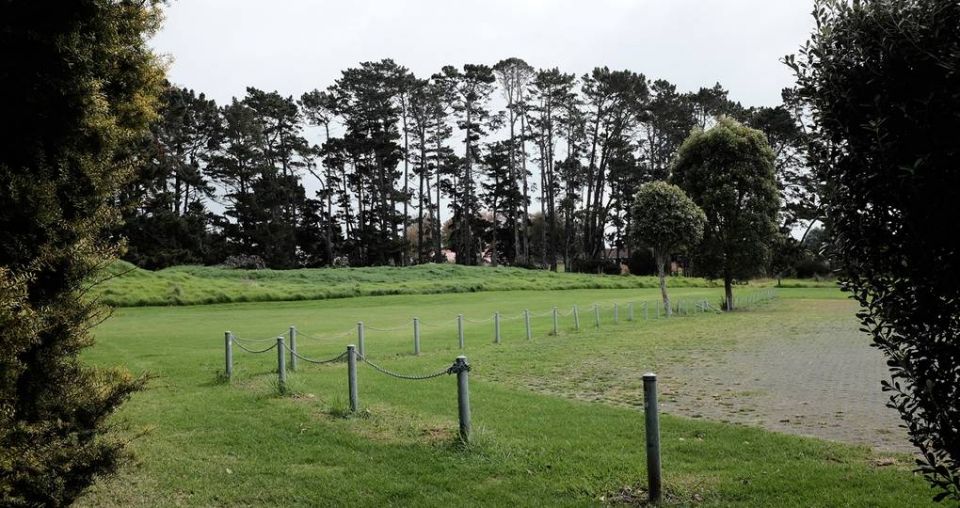
The site of the proposed development. Photo: Ophelia Buckleton
Unitec’s proposal to build an estimated 1400 dwellings on campus is currently being heard by the Auckland Unitary Plan Independent Hearings Panel.
In the pre-hearing process, the Mt Albert tertiary institution refused to stand down on its plan to turn cul-de-sacs on the southern side of the campus, including Laurel St, Renton Rd and Rhodes Ave, into access points for the dwellings.
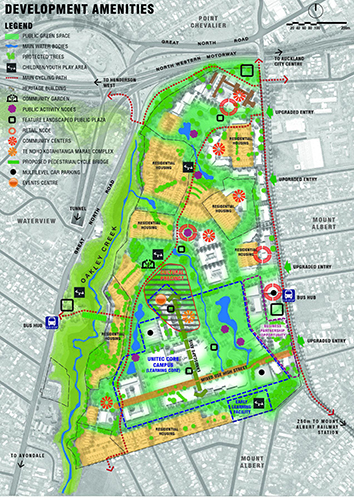
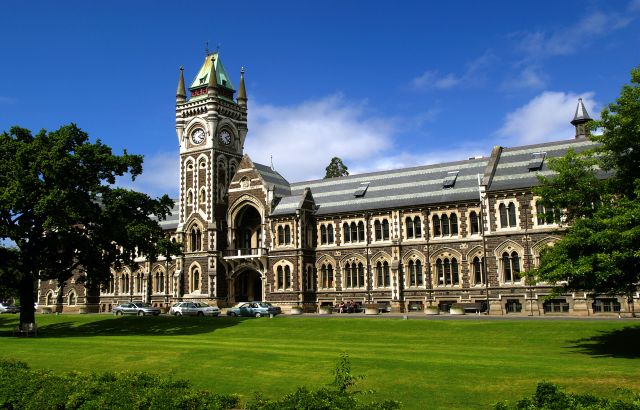
The Unitec campus on Carrington Road. Photo: Supplied
In their closing statement Unitec said “it is unreasonable for those residents to expect that very high existing amenity to continue when Auckland needs to intensify”.
Mt Albert Resident Association member Craig Magee said the key outstanding matter is addressing how traffic affected the intensive development.
“There isn’t sufficient evidence to justify what this housing plan will mean in terms of traffic. None of us, including Unitec, know what the effects will be . . . that’s not good enough.”
Mr Magee said people across Auckland have to accept a degree of change as the city intensifies, but the changes concentrated on this small area could be considerable.
Unitec’s general manager of governance and external relations, Darren Horsman, said if the development is permitted, the institution will carry out regular Integrated Traffic Asessments to recognise the transport impacts.
Mr Horsman said this is one of the many plans Unitec has suggested to resolve any issues people may have with the development.
“Unitec have also volunteered to provide three metres of additional roading all the way along Carrington Rd, so the council can change that into a specialised pedestrian and bus network.”
However residents are concerned that if the traffic assessment is not done properly, the development could turn their quiet streets into busy thoroughfares.
Leigh Judd lives on Rhodes Ave and said it is in Unitec’s best interest to portray that traffic will not be a problem.
“It’s a very quiet street at the moment, the only people who go down there are the people who live on it, which also means it is very safe for our kids.”
Mrs Judd said the impacts of making the street an access point will include more people parking there, as well as using it to avoid traffic on surrounding main roads.
The panel is due to report its recommendations to the Auckland Council on July 22 for consideration, before the final decision is presented by August 19.
Graduation cancelled three times after changes in Covid-19 alert levels
Tessa Parker • August 27, 2020

Profit-making scooters get priority over the homeless of Auckland
Charlotte Muru-Lanning • November 4, 2019